
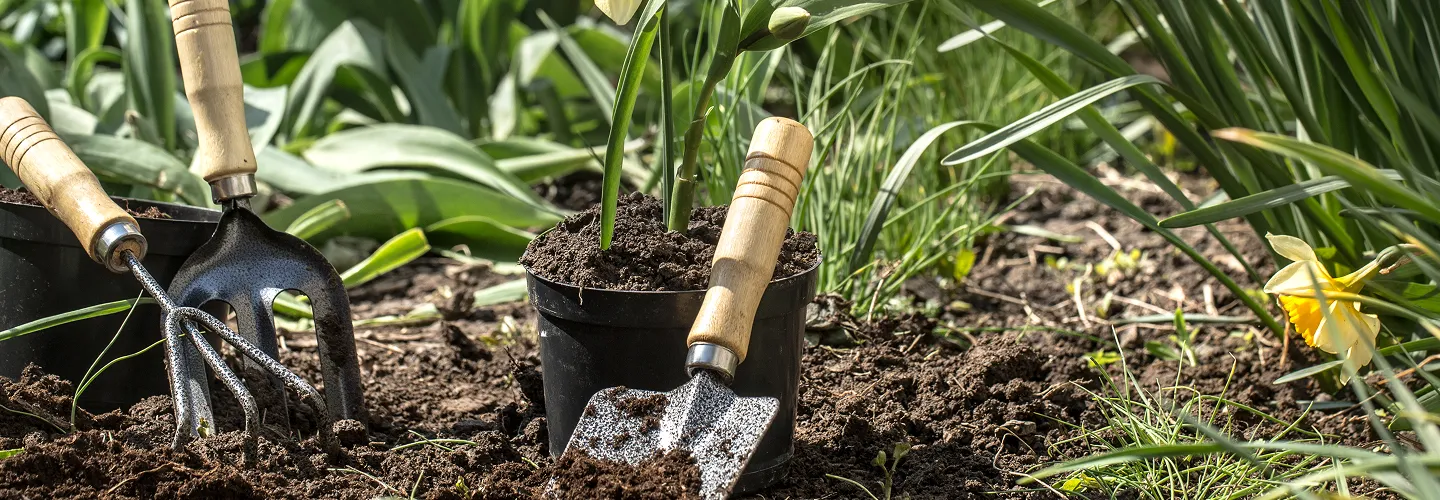
Carino Estates Weeding Services
Choose Carino Estates for weeding because we deliver meticulous, reliable service that keeps your landscape healthy and beautiful—so you can enjoy a weed-free yard without the hassle.
Get a Free QuoteOur Carino Estates Landscaping & Yard Care Services
When to Schedule Weeding in Carino Estates, Arizona – Seasonal Guide
In Carino Estates, Arizona, the timing of weeding is crucial for maintaining healthy, attractive landscapes. The region’s unique climate—characterized by hot, dry summers and mild winters—means that weed growth patterns differ from other parts of the country. Optimal weeding typically occurs in early spring and late fall, when soil moisture is higher and temperatures are moderate, making it easier to remove weeds by the root. Neighborhoods near Tumbleweed Park and along Queen Creek Road often experience microclimates due to varying shade coverage and irrigation practices, which can influence the best times for service.
Local environmental factors such as the risk of late spring frosts, periods of drought, and the prevalence of clay-heavy soils all play a role in determining the most effective weeding schedule. Areas with dense tree canopies, like those bordering the Carino Estates greenbelt, may require more frequent attention due to increased shade and humidity. Additionally, homeowners should be aware of any municipal restrictions or guidelines, which can be found on the Town of Sudbury’s official website, to ensure compliance with local landscaping ordinances.
Local Factors to Consider for Weeding in Carino Estates
- Tree density and shade coverage
- Soil type (e.g., clay-heavy or sandy soils)
- Seasonal precipitation and drought risk
- Frost dates and temperature fluctuations
- Terrain and slope of the property
- Municipal landscaping restrictions
Benefits of Weeding in Carino Estates
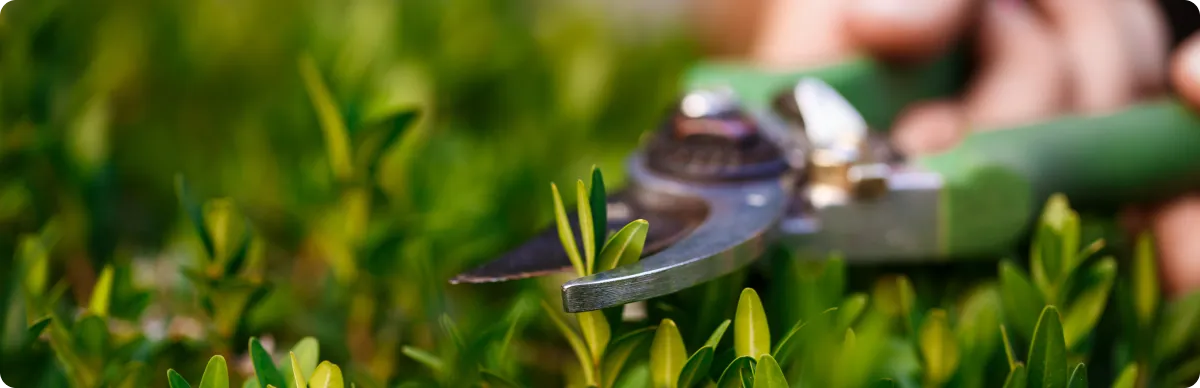
Enhanced Curb Appeal
Healthier Plant Growth
Reduced Pest Infestation
Improved Soil Quality
Increased Property Value
Professional and Reliable Service

Carino Estates Weeding Types

Hand Weeding
-
Mulch Application
-
Pre-Emergent Herbicide Treatment
-
Post-Emergent Herbicide Application
-
Mechanical Weeding
-
Flame Weeding
-
Soil Solarization
Our Weeding Process
Site Evaluation
Weed Identification
Targeted Removal
Soil Treatment
Final Inspection
Why Choose Carino Estates Landscape Services
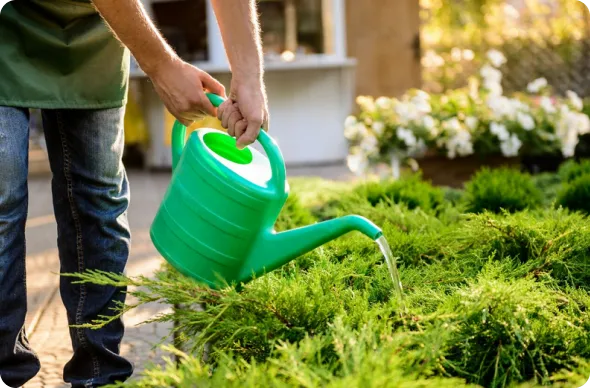
Carino Estates Homeowners Trust Us
-
Reliable Lawn Maintenance
-
Expertise in Local Plant Care
-
Competitive Pricing
-
Professional Team
-
Satisfaction Guarantee
-
Personalized Service
-
Prompt Response Times
Coordinating Weeding Services with Chandler's Municipal Programs in Carino Estates
Carino Estates is a residential community within the City of Chandler, and weeding activities on properties in this area fall under Chandler's broader municipal landscape and environmental standards. Residents and property managers should be aware that green waste generated from weeding—including pulled weeds, root masses, and organic debris—must be disposed of in accordance with the city's solid waste and bulk collection guidelines. Weed material should never be swept or deposited into street gutters, curb inlets, or drainage channels, as this contributes to stormwater contamination. The City of Chandler's environmental programs address runoff prevention and neighborhood compliance expectations that directly affect how weeding debris is handled.
- Bag or containerize pulled weeds before placing them at the curb for collection
- Keep organic debris away from storm drains, retention basins, and wash corridors
- Verify current bulk pickup schedules and accepted materials through the city
Chandler Environmental Management
Official Website: Chandler Environmental Management
Chandler Public Works & Utilities Department
Official Website: Chandler Public Works & Utilities Department
How Carino Estates's Low-Desert Heat and Alkaline Soils Influence Weeding Pressure
Carino Estates sits within the Phoenix metro low-desert environment, classified under USDA Hardiness Zone 9b–10a, where extreme summer heat, alkaline soils, and monsoon moisture cycles create distinct weeding challenges. Soils in this part of Chandler tend toward calcareous sandy loam or compacted subdivision fill, often with caliche layers that restrict root depth for desirable plants while allowing shallow-rooted weeds to exploit surface moisture. Drip irrigation systems common in desert-adapted landscapes concentrate water at emitter points, creating localized zones of high weed germination around the base of shrubs and in decorative rock beds.
- Summer temperatures exceeding 110°F can accelerate weed seed germination following even brief irrigation or monsoon rainfall
- Alkaline soil pH (commonly 7.5–8.5) favors certain invasive species such as puncturevine and spurge over cultivated plantings
- Reflected heat from block walls, concrete, and decomposed granite surfaces intensifies soil surface temperatures, affecting weed emergence patterns
- Monsoon storms between July and September trigger rapid post-rain weed flushes, particularly of summer annuals
Information from the USDA Web Soil Survey can help property owners understand the specific soil series present on their parcels.
Navigating Chandler's Stormwater and Herbicide Regulations for Weeding Compliance
Any weeding program in Carino Estates that involves chemical herbicide application must comply with both state licensing requirements and municipal stormwater protections. Under Arizona Revised Statutes Title 3, commercial applicators using pesticides or herbicides must hold valid certification through the Arizona Department of Agriculture. Residents applying herbicides on their own property should still follow label directions precisely and avoid application near washes, retention basins, or storm-drain inlets.
- Herbicide drift or runoff into Chandler's municipal storm sewer system may violate Arizona DEQ Phase II MS4 requirements and the Clean Water Act
- The Arizona Department of Agriculture's noxious weed program identifies regulated species that property owners may be obligated to control
- Pre-emergent herbicides should not be applied immediately before expected monsoon rainfall to prevent wash contamination
- Property owners adjacent to flood-control channels or retention areas should verify any additional restrictions with the city
Chandler Development Services
Official Website: Chandler Development Services
Timing Weeding Around Carino Estates's Monsoon Season and Irrigation Cycles
Effective weeding in Carino Estates requires alignment with the area's distinct seasonal patterns. Pre-emergent herbicide applications are most effective when timed before the two primary germination windows: late winter (February–March) for cool-season weeds and early summer (May–June) ahead of monsoon-triggered warm-season species. Hand weeding and mechanical removal should target plants before they set seed, which in the low desert can occur rapidly—sometimes within weeks of germination during warm, irrigated conditions.
- Remove weeds by hand or hoe when soil is slightly moist, typically the morning after an irrigation cycle, to extract root systems more completely
- In decorative rock and drip-irrigated beds, focus weeding efforts within the moisture zone surrounding each emitter where germination concentrates
- Post-monsoon inspections in September and October should address late-summer annuals before they disperse seed across the property
- Avoid applying granular pre-emergent products on slopes or near retention basins where runoff could carry material off-site
The University of Arizona Cooperative Extension and the Arizona Department of Water Resources landscaping guidance provide regionally appropriate resources for integrating weed management with water-efficient landscape practices.
What Neighborhoods Do We Serve Throughout Carino Estates, AZ?
- Carino Estates Phase I — Established lots with mature desert landscaping and extensive decomposed granite ground cover that requires consistent weed monitoring around drip emitters and along property edges.
- Carino Estates Phase II — Newer subdivision sections where compacted fill soils and recently graded lots tend to produce heavy weed flushes during the first several years after construction.
- Carino Estates Phase III — Properties near retention basins and common-area washes where monsoon moisture accumulation drives persistent seasonal weed growth along drainage corridors.
- Adjacent Sun Groves parcels — Larger residential lots with mixed turf and xeriscape zones that present dual weeding challenges in both irrigated lawn areas and rock-mulched beds.
- Nearby Chandler Heights corridor — Semi-rural properties with open desert edges where invasive species such as buffelgrass and Russian thistle encroach from undeveloped adjacent land.